Ghetto Life and Beautiful Shoes

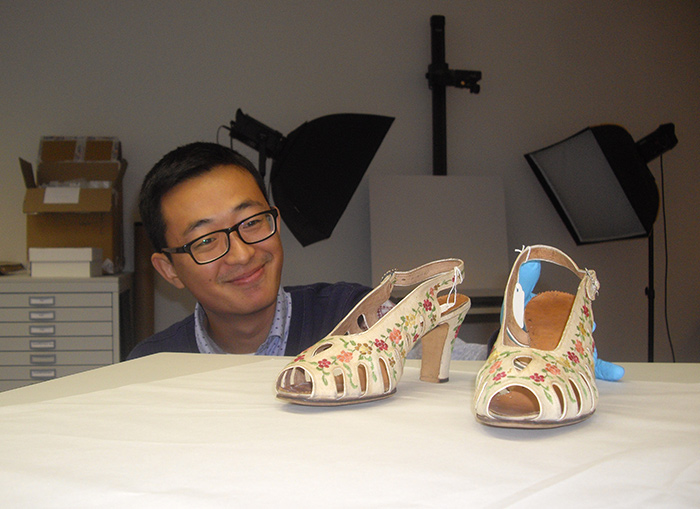
Wei Zhang looking at shoes “made in China”, which are part of the Jewish Museum Berlin’s collection; permanent loan by Marion Schubert, née Salomon; Jewish Museum Berlin, photo: Christoph Kreutzmüller
As a student studying the Holocaust at the University of Haifa, I was honored to do a short-term internship at the Jewish Museum Berlin with the team working on the new permanent exhibition. Before it began, I came across a small passage in the book Jewish Responses to Persecution: 1938–1940 (ed. by Jürgen Matthäus, Alexandra Garbarini, Plymouth: AltaMira Press, 2010) written in late 1938, directly after the November pogroms, that illustrated the desperation of German Jews (especially those in Berlin):
“There is one Jewish café open in Berlin. Anyone who wants to see what likely suicides look like should enter this café. The conversation of people sitting there revolves round two topics: how to obtain a passage to Shanghai or how to commit suicide.”
A question came to my mind: Could I find something related to Shanghai, the city where about 20,000 Ashkenazi Jews found refuge, here? As I started my research in the museum’s collection, I was excited to find an abundance of such information. Now I would like to share these stories with you. → continue reading
Reading with Anita Awosusi
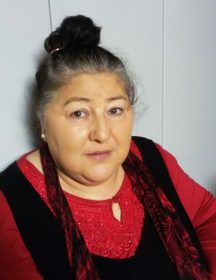
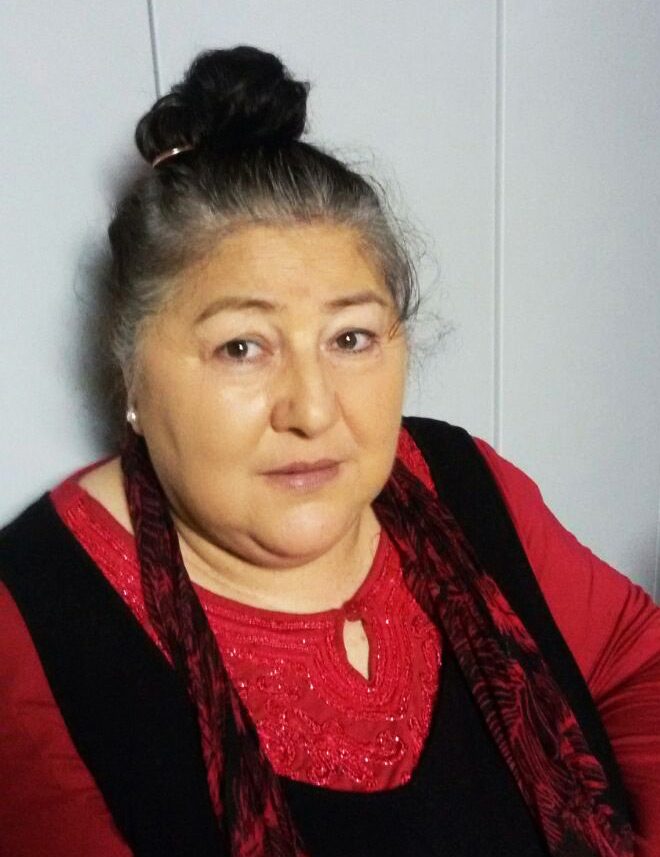
Anita Awosusi has championed Sinti and Roma civil rights; photo: private
Our series “New German histories” continues this year: on February 9, 2017, (the date was cancelled at short notice!) Anita Awosusi will introduce her book Vater Unser – Eine Sintifamilie erzählt (Our Father – A Sinti Family Recounts) in the W. Michael Blumenthal Academy of the Jewish Museum Berlin. In her book the author weaves together her family’s biography, broader historical events, and the aftermath of Nazi rule. She tells the story of her father and at once of her own evolution. As a civil rights activist she still fights today against discrimination and for equal rights and civic participation for the Sinti and Roma peoples and was active for over twenty years at the documentation and cultural center for German Sinti and Roma. In anticipation of the event we asked Anita Awosusi three questions:
You entitled your book Our Father – A Sinti Family Recounts. Is the play on the central Christian prayer, the “Our Father”, intentional on your part? If so, what did you want to express with this choice?
The title Our Father came about because my sister and I always say “our father” when we talk about our parents. In addition, my father had a very fundamental role in our family as patriarch. Not to suggest at all that our mother was less respected by us children. But there was a second reason: → continue reading
– The Story of a Search
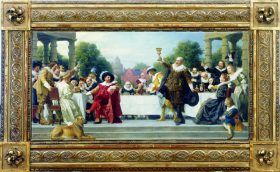
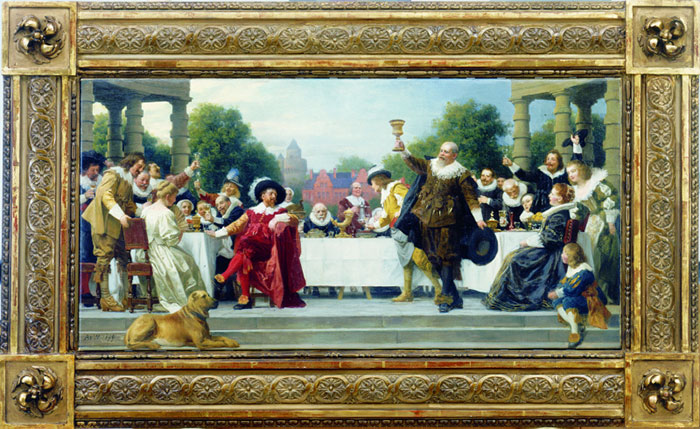
This oil sketch entitled Das Gastmahl der Familie Mosse (The Mosse Family Banquet) was restituted to the community of heirs of Felicia Lachmann-Mosse; Photo: Jewish Museum Berlin, Jens Ziehe.
Today is the International Holocaust Remembrance Day when we also remember the consequences of the criminal Nazi regime, which can still be felt today. One of these consequences is that a lot of museums are still holding cultural artifacts that were unlawfully confiscated from their owners during the Nazi era. Thus the Jewish Museum Berlin restored the oil sketch Das Gastmahl der Familie Mosse (The Mosse Family Banquet) to the heirs of Felicia Lachmann-Mosse in December last year. How was this decision reached? Provenance research has attracted increasing attention in recent years and caused frequent rumblings in the media – but how is it actually carried out? → continue reading




 RSS feed
 Facebook
 Instagram
 Twitter: @jmberlin
 YouTube