Bedřich Fritta
Zeichnungen aus dem Ghetto Theresienstadt
Bislang wurden die zwischen 1942 und 1944 im Konzentrationslager „Ghetto Theresienstadt“ entstandenen Werke des tschechisch-jüdischen Künstlers und Karikaturisten Bedřich Fritta (1906–1944) vor allem als zeithistorische Quelle gezeigt. Im Gegensatz dazu legte diese Ausstellung den Fokus auf die künstlerischen Mittel, mit denen Frittas Zeichnungen den Lageralltag deuten und kommentieren. Sie betrachtete die Vielfalt seiner Bildsprache und die künstlerische Qualität der Blätter.
Ausstellung bereits beendet
Bedřich Fritta wurde am 4. Dezember 1941 nach Theresienstadt deportiert und dort von der Lager-SS als Leiter des Zeichenstudios der „Jüdischen Selbstverwaltung“ eingesetzt. Bis zu zwanzig inhaftierte Künstler*innen mussten dort im Auftrag der SS Propagandamaterial erstellen, um das offizielle Bild vom reibungslosen Funktionieren dieses „Ghettos“ zu stützen.
Heimlich hielten die Künstler*innen auch den realen Lageralltag fest. Im Oktober 1944 wurde Fritta nach Auschwitz deportiert, wo er wenig später an den Folgen einer Krankheit starb.
Der Großteil seiner inoffiziellen Arbeiten, etwa einhundert Blätter, blieb in einem Versteck erhalten und gelangte später in den Besitz seines Sohnes Tomáš Fritta-Haas (1944–2015). Dieses Konvolut aus großformatigen Tuschezeichnungen und kleineren Skizzen wurde im Rahmen der Ausstellung zum ersten Mal in seiner ganzen Breite zugänglich gemacht.
Eine Vielzahl der ausgestellten Zeichnungen können Sie weiterhin online auf der Website zur Ausstellung (www.jmberlin.de/fritta) einsehen.
Informationen zur Ausstellung im Überblick
- Wann 17. Mai bis 29. Sep 2013
sowie
28. Feb bis 4. Mai 2014 (im Rahmen des Themenschwerpunkts Ghetto Theresienstadt) - Wo Libeskind-Bau EG, Eric F. Ross Galerie
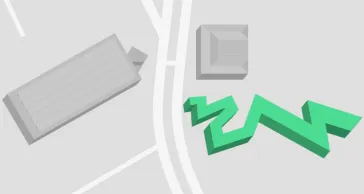
Lindenstraße 9–14, 10969 Berlin
Zum Lageplan