Zwangsarbeit
Die Deutschen, die Zwangsarbeiter und der Krieg
Eine Ausstellung der Stiftung Gedenkstätten Buchenwald und Mittelbau-Dora

Ukrainische Großfamilie (Zwangsarbeiter); NLA-Staatsarchiv Wolfenbüttel (Privatbesitz)
Während des Zweiten Weltkriegs wurden in Deutschland auf nahezu jeder Baustelle und jedem Bauernhof, in jedem Industriebetrieb und auch in Privathaushalten Zwangsarbeiter*innen ausgebeutet. Dort wie in den besetzten Gebieten mussten insgesamt mehr als 20 Millionen Männer, Frauen und Kinder aus ganz Europa als „Fremdarbeiter“, Kriegsgefangene oder KZ-Häftlinge Zwangsarbeit leisten – jede*r Deutsche ist ihnen begegnet.
Die in der Ausstellung präsentierten historischen Exponate und Fotografien beleuchteten das von Rassismus geprägte Verhältnis zwischen Deutschen und Zwangsarbeiter*innen. Dennoch blieben den Akteur*innen Handlungsspielräume: Ob Zwangsarbeiter*innen erniedrigt und misshandelt wurden oder einem Rest von Menschlichkeit begegneten, hing auch vom Verhalten Einzelner ab.
Darüber hinaus zeigte die Ausstellung, dass die Zwangsarbeit von Anfang an in der rassistischen Gesellschaftsordnung des NS-Staates verankert war: Die propagierte „Volksgemeinschaft“ und die Zwangsarbeit der Ausgeschlossenen – beides gehörte zusammen.
Von den Arbeitsämtern im Deutschen Reich ausgestellte Arbeitsbücher für ausländische Zwangsarbeiter; KZ-Gedenkstätte Buchenwald, Weimar
Am Ende der Ausstellung kamen in mehreren Zeitzeug*innen-Interviews die ehemaligen Zwangsarbeiter*innen selbst zu Wort.
Die internationale Wanderausstellung Zwangsarbeit. Die Deutschen, die Zwangsarbeiter und der Krieg erzählte erstmals die gesamte Geschichte dieses Verbrechens und seiner Folgen nach 1945. Sie wurde von der Stiftung Erinnerung, Verantwortung und Zukunft initiiert und gefördert. Erste Station der Ausstellung war das Jüdische Museum Berlin, danach wurde sie u. a. in Moskau, Warschau und Prag präsentiert.
Informationen zur Ausstellung im Überblick
- Wann 28. Sep 2010 bis 30. Jan 2011
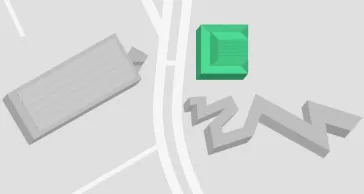
- Wo Altbau 1. OG
Lindenstraße 9-14, 10969 Berlin
Zum Lageplan