R. B. Kitaj 1932–2007
Obsessionen

R. B. Kitaj, The Rise of Fascism [Der Aufstieg des Faschismus], 1975–1979, Pastell und Öl auf Papier, 85 × 158 cm; Collection of R.B. Kitaj Estate
Nach dem Tod des Malers R. B. Kitaj 2007 war im Jüdischen Museum Berlin von Herbst 2012 bis Anfang 2013 die erste umfassende Schau über sein Gesamtwerk zu sehen. Die als Wanderausstellung konzipierte Retrospektive – die letzte Kitaj-Retrospektive war 14 Jahre her – gab die Ausstellung mit ca. 130 Gemälden, Druckgrafiken und Zeichnungen einen Überblick über alle Perioden seines umfangreichen Œuvres.
Einführung in die Ausstellung mit Cilly Kugelmann (Programmdirektorin des Jüdischen Museums Berlin), Tracy Bartley (Leiterin des R. B. Kitaj Studio in Los Angeles), Dr. Eckhart Gillen (Kurator der Ausstellung) und Tom Freudenheim (Kunsthistoriker und Journalist).
Geliebte und Feind*innen, virile Lebensphasen und Zeiten physischer Gebrechlichkeit, Politik, Geschichte, Literatur, Philosophie und nicht zuletzt die Frage nach der Zugehörigkeit zum Judentum, die sich weder über die Religion noch über den Zionismus herstellt, sind die Puzzleteilchen, aus denen Kitaj seine eindrucksvollen Bilder und Collagen schuf.
Unbeeindruckt vom Massengeschmack arbeitete Kitaj gegen die Mode der Abstraktion in den 1960er-Jahren und gehörte zusammen mit David Hockney, Frank Auerbach, Lucian Freud und Leon Kossoff zu den Wegbereitern der figurativen Malerei. Die Konfrontation mit der Geschichte des Massenmords an den europäischen Jüd*innen und die Auseinandersetzung mit dem Phänomen der Außenseiter*innen provozierten ihn zu einer jüdischen Kunst der Moderne, die er „diasporisch“ nannte, und die er farbenkräftig, motivreich und verrätselt entwarf.
R. B. Kitaj, If Not, Not, 1975/76, Öl auf Leinwand und schwarze Kreide, 60 x 60 cm; Scottish National Portrait Gallery, Edinburgh
Heute befinden sich die Gemälde Kitajs in den bedeutenden Museen der Welt und in großen Privatsammlungen. Dank der großzügigen Unterstützung der Leihgeber*innen – unter ihnen das Museum of Modern Art in New York, die Tate in London und die Sammlung Thyssen-Bornemisza in Madrid – konnte diese Ausstellung realisiert werden.
Informationen zur Ausstellung im Überblick
- Wann 21. Sep 2012 bis 27. Jan 2013
- Wo Altbau 1. OG
Lindenstraße 9-14, 10969 Berlin
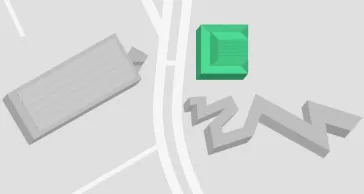
Zum Lageplan
R. B. Kitaj, Unpacking my Library [Beim Auspacken meiner Bibliothek], 1990/91, Öl auf Leinwand, 122 x 122 cm; Collection of Joseph Kitaj
Ermöglicht durch die Freunde des Jüdischen Museums Berlin