
Purim
Purim is one of the most cheerful holidays in the Jewish calendar. At its center is the Megillat Esther, the biblical story from the Book of Esther—a story that, despite its happy ending, also has a dark side. It tells of the planned murder of the Jews in ancient Persia.
As a Jew, Esther belongs to a minority in her country. She also conceals her origins from her husband, King Ahasuerus (Artaxerxes II, 405–359 BCE). But when Haman, an influential advisor to the king, hatches a plan to destroy all Jews, Esther puts her own life at risk. She appears before the king unannounced—a dangerous move—and reveals Haman's plot. Through her courageous actions, Esther succeeds in saving her people.
What is Megillat Esther?
Megillah (Hebrew for scroll), Megillat Esther contains the biblical Book of Esther and is read aloud on the festival of Purim.
Every year in spring, Jews commemorate the biblical story of their savior Esther on Purim. The celebration involves costumes, rattles, and sweet hamantashs. It is also traditional to give food to friends and people in need.
Purim noisemaker shaped like a hamantash, by Avi Biran, Irael 2008; Jewish Museum Berlin, photo: Roman März. Further information about this object in the digitized holdings of our collection (in German)
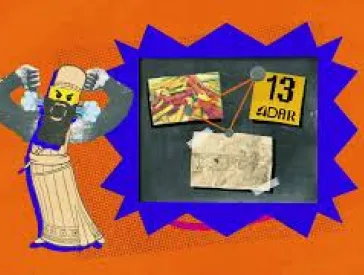
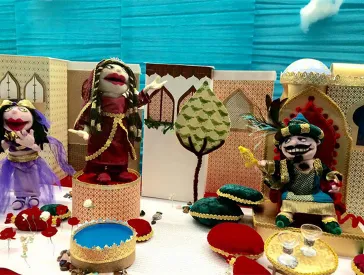
Purim. Celebrate Who You Are The video by JMB di.kla – The Digital Classroom shows why and how Jews celebrate Purim.; Jewish Museum Berlin 2025