Provenance Research
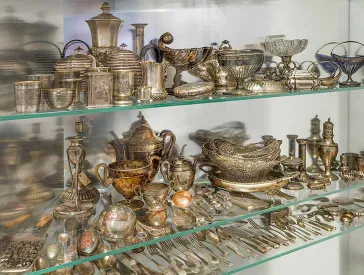
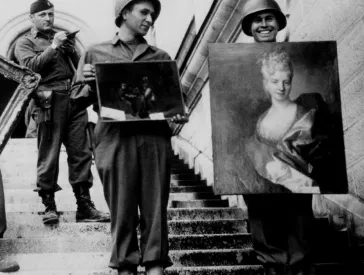
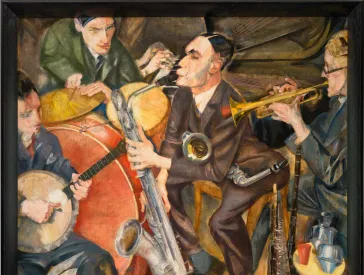
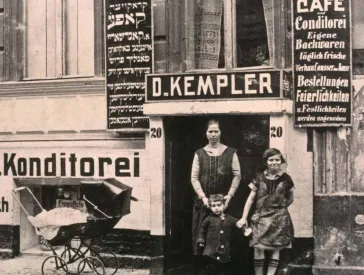
Who owned an object before it became part of a collection? Collectors and museum employees have been asking this question about the origins of the objects in their collections since time immemorial. In the past, having a “good provenance” (or “pedigree”), such as previously being part of a famous collection, has always boosted the value and prestige of artworks and cultural artifacts. Today, research into objects’ previous owners is primarily concerned with clarifying changes of ownership in contexts of injustice, such as under Nazi rule, in colonial contexts, or in the Soviet Occupation Zone and former East Germany. At the Jewish Museum Berlin (JMB), the focus lies on identifying cultural assets that were confiscated in the context of Nazi persecution.
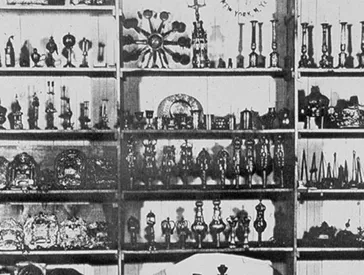
Closely tied to provenance research is the question of restitution, or returning objects to owners and heirs. By signing the Washington Principles, adopted in 1998, the 44 signatory states committed to examining their public collections for items that had been confiscated by the Nazis between 1933 and 1945. Where this is the case, efforts should be made to identify the rightful owners and work with them to achieve a just and fair solution. In 1999, Germany followed this commitment by issuing a Joint Declaration. Because these policy documents were focused on confiscated private property, the scope of the commitment was extended with the Terezin Declaration of 2009 to include looted Judaica and Jewish cultural assets that had been communally owned by Jewish Communities .
Contact
Elisabeth Weber
Provenance research
T +49 (0)30 259 93 491
e.weber@jmberlin.de
Behind the Scenes: Provenance Research at the JMB (4)
-
Provenance Research at the JMB
Cases studies, discoveries, and unanswered questions: stories from provenance research at the Jewish Museum Berlin.
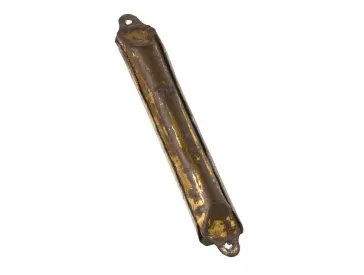
Who is Zvi Sofer?
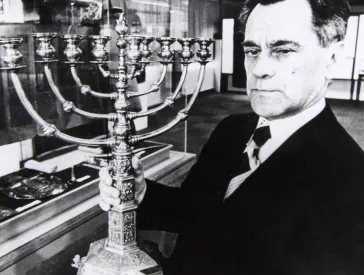
Zvi Sofer (1911–1980), cantor, and collector, born in Podolia, 1929 Aliyah, academic studies in Vienna, in 1938 re-emigrated to Palestine, from 1959 dedication to the revival of Jewish communities in Germany