Family Collections
The Papers and Mementos of German-Jewish Families
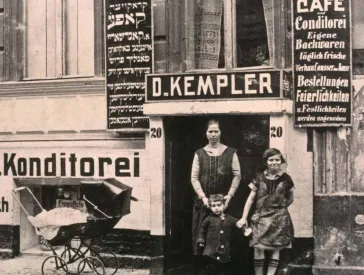
The family collections offer glimpses into the lives of Jews in Germany past and present, whether in the religious, cultural, economic, or private sphere. They bear witness to Jewish life and to life in society as a whole, but also to marginalization, persecution, exile, and new beginnings.
The family collections include more than 1,800 documentary legacies of German-Jewish families, and the number is constantly growing. They are donated to the museum by families across the world. Often, the papers and mementos were carefully protected through years of persecution and emigration, and they are deeply meaningful for the family’s own story. Every document, every object, and every photograph testifies to a particular historical moment ‒ but it also embodies very personal memories.
The fact that families donate their personal treasures to the museum after many years affirms their confidence in our day-to-day work. But it also brings great responsibility: an obligation to systematize the collections, conserve them safely, and communicate knowledge about them to the widest possible audience.
For the JMB, these holdings are essential. They illuminate individual destinies, whole family biographies, and historical situations in context, as well as enabling us to ask ever-changing questions about their present-day significance.
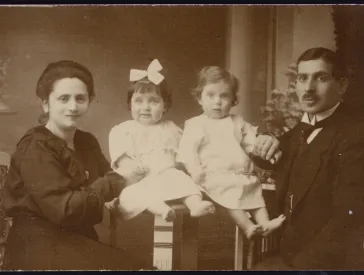
From left to right.: Leonie’s sister Edith, Lene H., Erna S., Leonie, ca. 1905–1910; Jewish Museum Berlin, Inv.-Nr. 2016/427/0, donated by the Oliven family
Main themes:
- Middle-class life in the German Empire and the Weimar Republic
- The First World War
- Synagogues
- Company and economic history
- Jewish sport
- Jewish student fraternities
- Schools and other Jewish institutions
- Hakhshara camps preparing for life in Palestine
- Emigration
- Life in exile
- Nazi persecution
- The post-1945 period, with rebuilding and new beginnings for Jewish communities
- Life in the Displaced Persons camps
- Individual people’s return from exile
- Jewish life in East and West Germany, and after 1989 in the unified Federal Republic
What are displaced persons?
After the Second World War, “displaced persons” referred to people stranded outside their countries of origin, including around a quarter million Jews in the western occupied zones of postwar Germany
What is Hakhshara?
Hakhshara (Hebrew for preparation, making fit), agricultural training centers for Jews’ systematic preparation for settling in Palestine, especially in the 1920s and 1930s
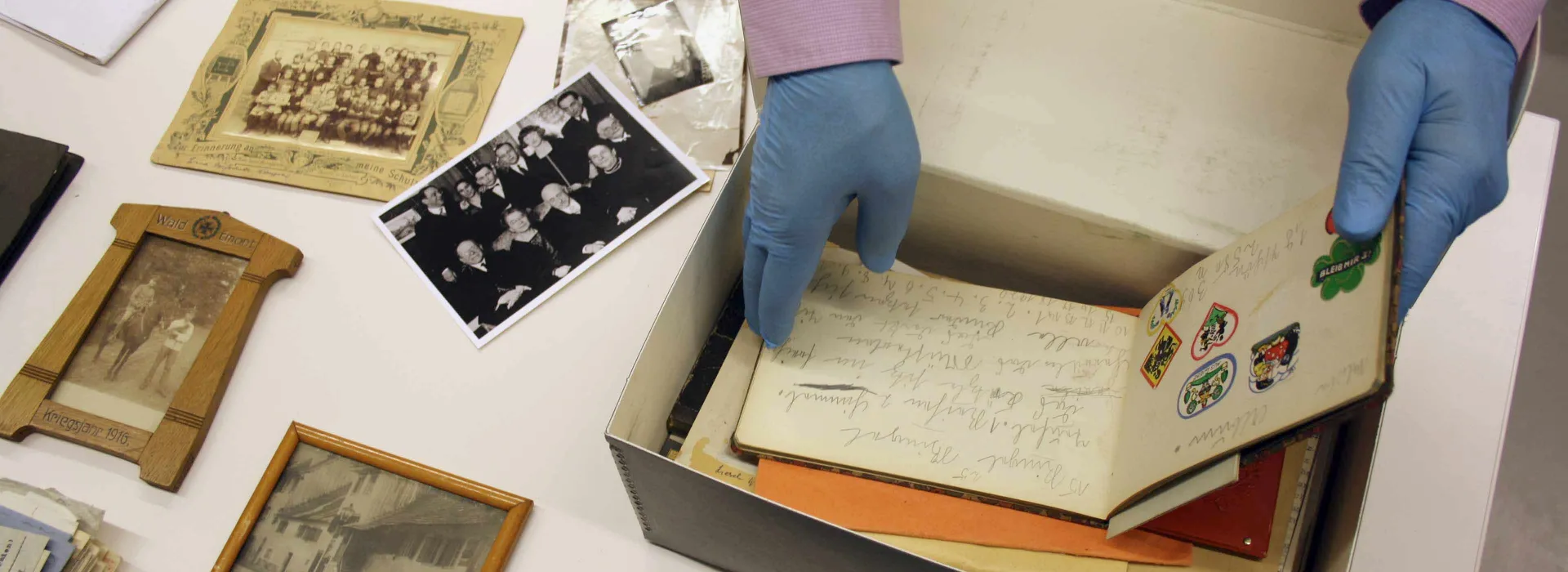
The individual legacies are very heterogeneous, differing in size, thematic focus, and object types. Most consist of documents and photographs, but some include paintings, drawings, Judaica, everyday objects, films, books, and textiles.
Selected Objects: Selected Objects: Family Collections (14)
-
Selected Objects: Family Collections
The Family Collections offer insights into the religious, cultural, economic, and private lives of Jewish people in Germany, both past and present.
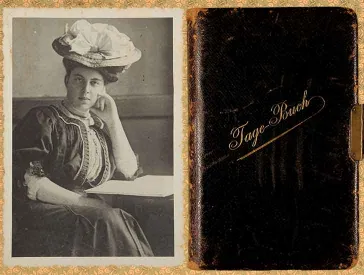
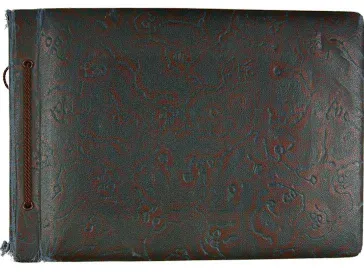
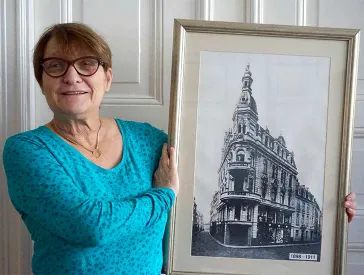
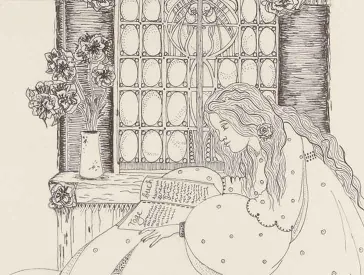
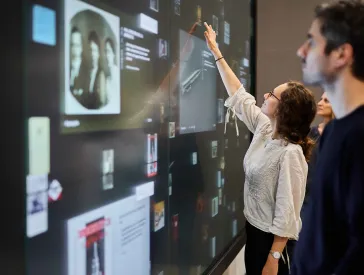
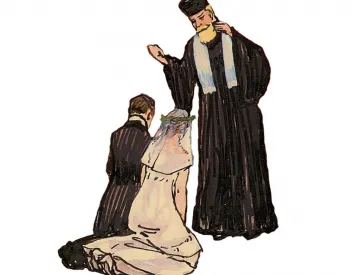
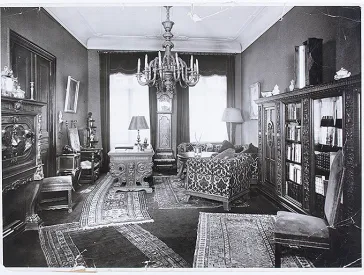
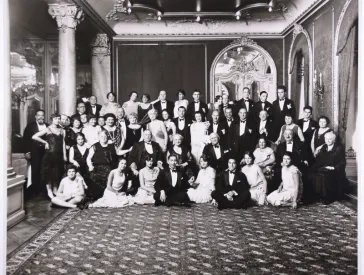
The family collections offer many different points of contact for the museum’s educational work, for example in guided tours, workshops, school visits by the project JMB on.tour, or the digital classroom JMB di.kla. They also play an important part in analog and digital exhibition and publication projects. Many collection items appear in the core exhibition in a variety of thematic and historical contexts. The core exhibition’s Family Album, an interactive wall featuring more than 500 objects, invites visitors to embark on a very personal voyage of discovery through the family collections.
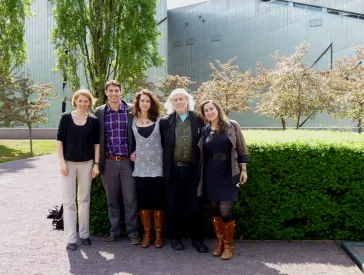
The interactive Family Album presents ten collections from the museum holdings; Jewish Museum Berlin, photo: Yves Sucksdorff
The Digitization Process
To establish the JMB even more strongly in the digital world, a specially designed digitization project has been opening up the family collections since 2024. Its aim is to improve the visibility, accessibility, and long-term preservation of the personal archives. Thanks to the project, we have been able to share more than 250 years of Jewish families’ lived experience worldwide and make the documents available for research and educational use. Donors can now explore the collections with their family members – often dispersed across the world – without having to travel to Berlin.
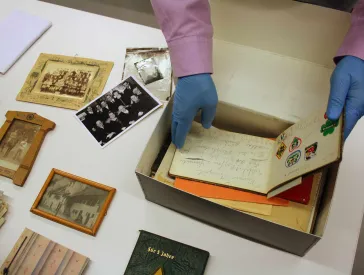
To make this access possible, the museum holdings have to be analyzed, cataloged, restored, digitized, tagged, and checked for copyright and privacy rights before being put online. The digitization process brings together a dozen museum employees from the areas of archives, photography, photo documentation, exhibition documentation, conservation, and legal advice. In early 2026, more than 50,000 digital objects had been created. Over 20,000 of them are already accessible online, and that number rises every day.
Documentation of the digitization of the family collection; a view of an archival document during the scanning process on the archival scanner; JMB, photo: Jule Roehr
How can I donate objects, photographs, and documents to the museum?
Do you own materials related to Jewish culture and history in Germany that could be of interest to us? We would be delighted to hear from you!
Can the museum help me research my family history?
You may use our in-house holdings for research purposes. We have also compiled a directory of links to research opportunities for personal and family research and genealogy.
How can I conduct research using the museum’s archive, collections, and library?
Our Reading Room is open to the public. You can also research using our library’s holdings and some of our collection’s holdings online. To view additional holdings, please contact the responsible curators.
Contact
Dr. Irena Fliter
Head of Archive
T +49 (0)30 259 93 414
i.fliter@jmberlin.de
Our Collection
An overview
- The objects we collect: information & FAQ
- Search our collection: a growing number of items from our digitized collection are available to view and search online (in German)
Details
- Archive: documenting Jewish life
- Audiovisual Media: historic sound recordings, family films and video art
- Library: books and more about Jewish art, culture, and history
- Fine Arts: visual culture of German-Jewish history and the present day
- Current page: Family Collections: The Papers and Mementos of German-Jewish Families
- Photography: from the beginnings of photography to the present day
- The Jewish Object: Material Culture: objects and textiles for nonreligious purposes
- The Jewish Object: Applied Arts: objects produced by German-Jewish craftspeople and companies
- The Jewish Object: Judaica: ritual and everyday items for religious purposes
Digital Content
- Online Showcase: digital presentation of our collection holdings, video projects, and more
- Object Showcase: stories from our collection
See also
- The Lanzmann Collection – Catalog, Preserve, and Share the Legacy of The Claude Lanzmann Audio Archive
- The History of Our Collection: learn about the initial inspiration and transition to today's museum
- Our Collection Management: Protection, preservation, and documentation
- Sources of Collection Holdings: in publications of the Berlin museum (1978 to 1995)
- Provenance Research: unveiling the origins of our objects
- Conservation: how to presperve our objects for future generations