

The Berlin Republic
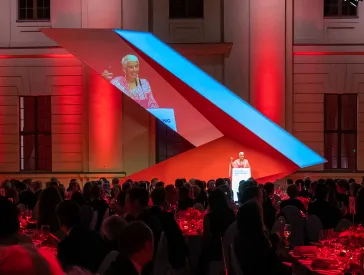
Panel Discussion as Part of the Exhibition Between the Lines (in German)
On September 10, 2001, the guest list for the ceremonial opening of the Jewish Museum Berlin (JMB) was printed in the Berlin section of the Frankfurter Allgemeine Zeitung. The headline read The Berlin Republic. How did this come about?
Past event
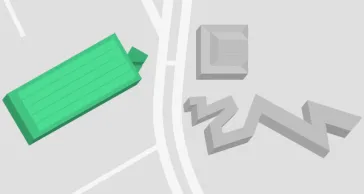
Where
W. M. Blumenthal Academy,
Klaus Mangold Auditorium
Fromet-und-Moses-Mendelssohn-Platz 1, 10969 Berlin
(Opposite the Museum)
On the occasion of the JMB’s 25th anniversary, we look back at the years surrounding the museum’s founding – from the post-reunification period of the 1990s to the early 2000s. The intense and at times bitter debates about National Socialism and the Holocaust ranged from Martin Walser’s “Auschwitz as a moral cudgel” (Moralkeule Auschwitz) to Daniel Goldhagen’s "willing executioners" (willige Vollstrecker) and the crimes of the Wehrmacht, from restitution and compensation to remembrance in public space. While Steven Spielberg’s film Schindler’s List (German premiere in 1994) brought about a shift in the role of contemporary witnesses, the trial of Holocaust denier David Irving, concluded in April 2000, set new legal precedents.
Looking back on these debates, it becomes clear that the culture of remembrance – today often criticized as hegemonic and ritualized – has not long been taken for granted in German society. Since the end of the Second World War, it has been fought for by various victim groups, often against significant political resistance. In the reunification years of the 1990s, the engagement with National Socialism, the Holocaust, and Jewish history was finally institutionalized and anchored at the federal level – albeit still politically contested – a development to which we also owe the founding of the JMB.
In a panel discussion with key participants and observers of the memory-political debates of the 1990s and 2000s, we revisit the turbulent years surrounding the opening of the Jewish Museum Berlin.
Guests:
Heinrich Wefing, journalist, Head of the Politics Department at DIE ZEIT
Inka Bertz, former Head of the Art Collection at the JMB
Michael Wolffsohn, Historian and Author
Moderator: Shelly Kupferberg
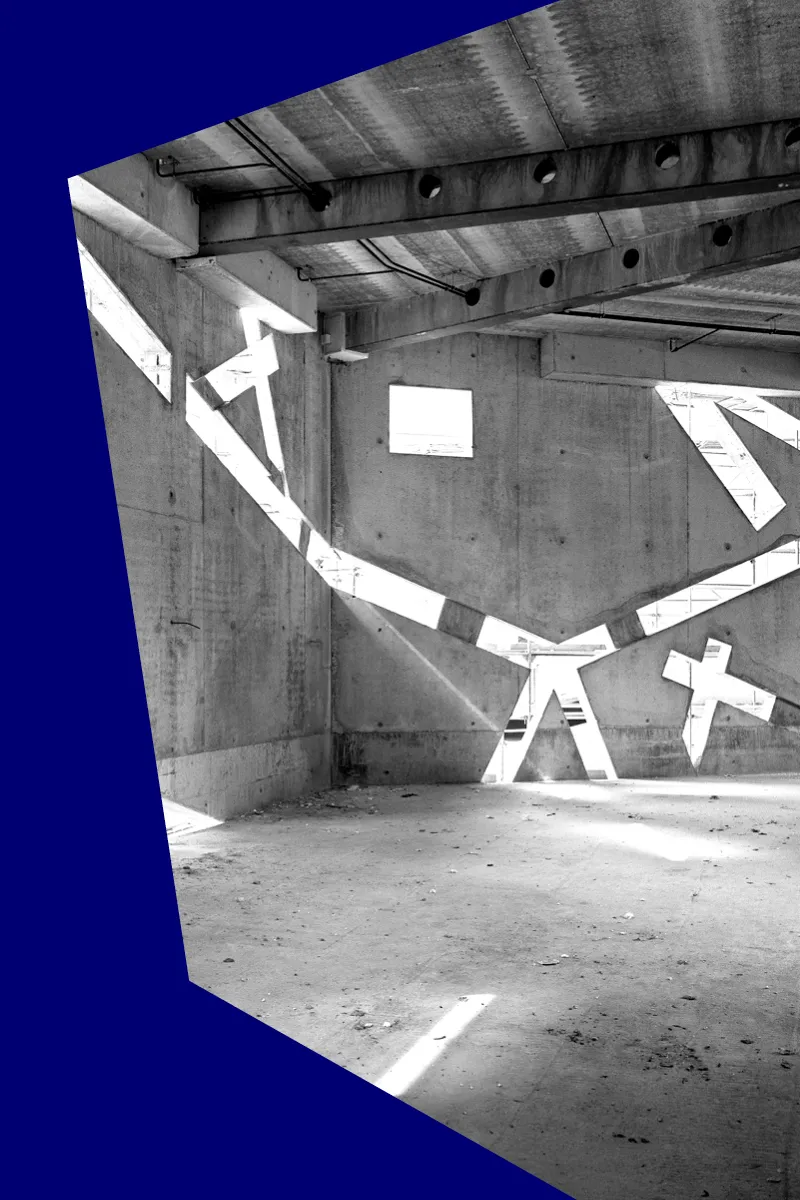
Exhibition Between the Lines. Daniel Libeskind and the Jewish Museum Berlin: Features & Programs
Exhibition Webpage
Between the Lines. Daniel Libeskind and the Jewish Museum Berlin: 8 May to 22 Nov 2026
Accompanying Events & Tours
An evening with Daniel Libeskind, our JMB book club, film screenings, a panel discussion, and public tours: Find all dates in our calendar
Offerings for Groups
Bookable Tour of Daniel Libeskind’s Architecture: Tour by appointment, 8 May to 22 Nov 2026
Publications
JMB Journal #28: Staying Curious! The Museum’s 25th Anniversary Issue, among other things, features this exhibition.
Digital Content
- Interview with Daniel Libeskind: The architecture for the Jewish Museum Berlin and the power of rebellion and wondering, 2026
- Interview with the Exhibition Curator: Miriam Goldmann about memory culture and the poetics of architectural sketches
See also
- The Libeskind building: Architecture retells German-Jewish history
- Daniel Libeskind, architect
- How our museum came to be: Online feature in four parts, 2020
- Diagonal Line of Diversity: The Lindenstrasse in Berlin, caught between past and future, essay 2016
- 25 Years Jewish Museum Berlin: Discover our anniversary program, 2026
When & Where?
- WhenThu 25 Jun 2026, 8 pm
-
Where
W. M. Blumenthal Academy,
Klaus Mangold Auditorium
Fromet-und-Moses-Mendelssohn-Platz 1, 10969 Berlin
(Opposite the Museum)
See location on map
-
Entry fee
Free of charge
Language German